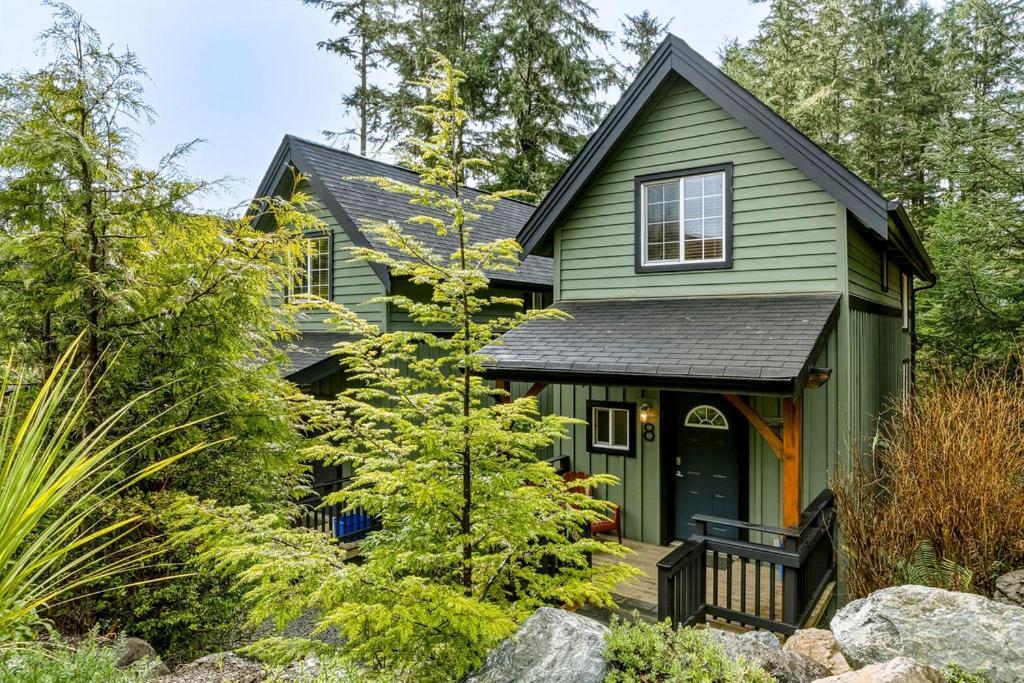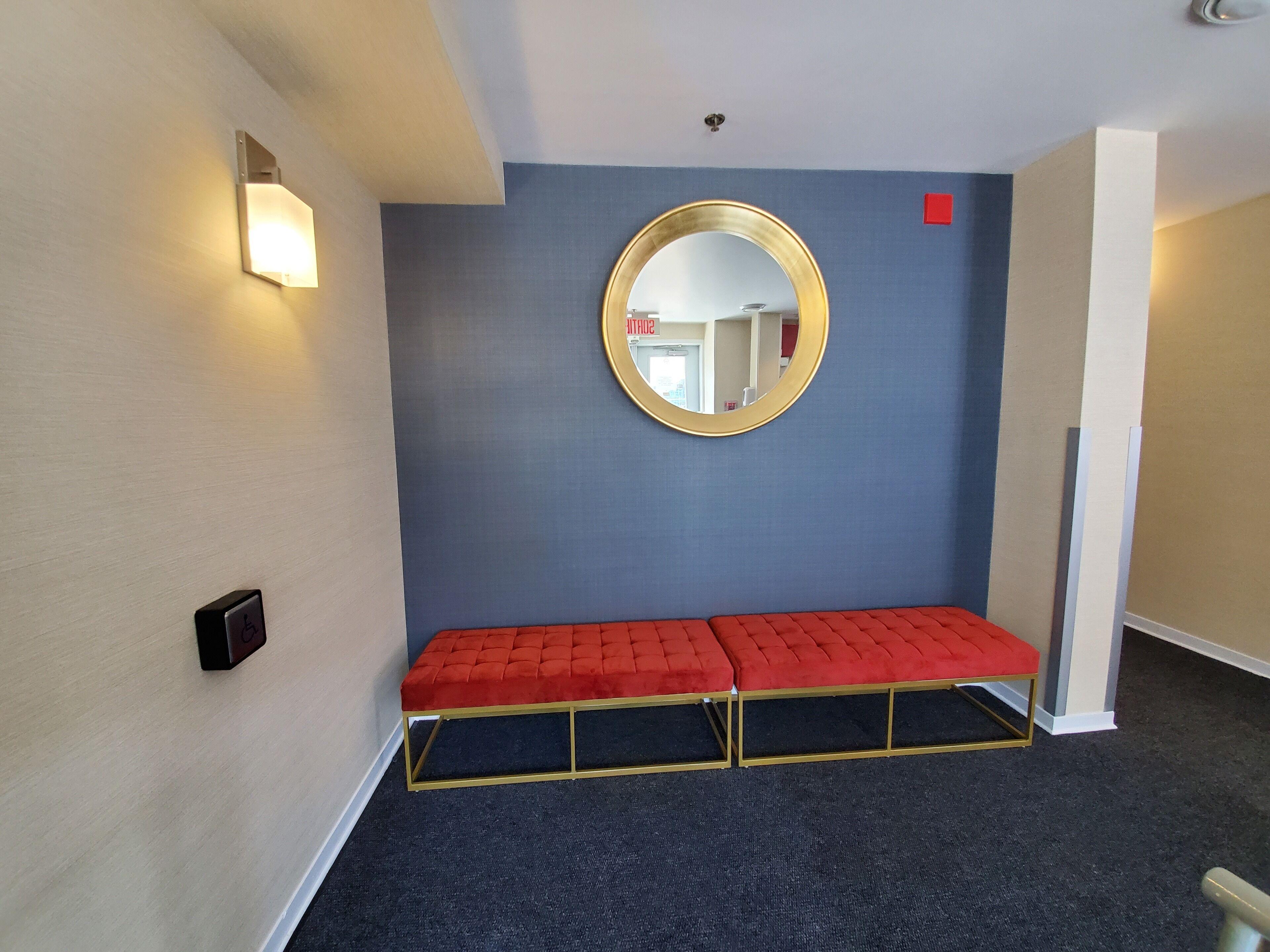
Canada's bed and breakfast scene spans from heritage buildings in Québec's Charlevoix region to coastal properties in Newfoundland and rural retreats in Saskatchewan - each offering a more grounded, locally rooted experience than standard hotel chains. Unlike large hotels, Canadian B&Bs typically include a made-from-scratch breakfast using regional ingredients, direct host knowledge of the area, and rooms with genuine character. This guide covers 5 carefully selected B&Bs across Canada to help you compare options, understand trade-offs, and book with confidence.
What It's Like Staying in Canada
Canada is the second-largest country in the world by land area, meaning the experience of staying here varies dramatically depending on the region. The St. Lawrence River valley in Québec delivers a distinctly French-speaking cultural landscape with historic architecture, while Newfoundland's coastline offers raw Atlantic scenery and some of the most isolated communities in eastern North America. Saskatchewan's prairies and Ontario's Blue Mountain region add further contrast, making Canada a destination where geography genuinely shapes the stay. Crowd levels are highly seasonal - summer draws the bulk of visitors to national parks and coastal areas, while ski destinations like Blue Mountain see peak traffic from December through March. Travellers who benefit most from staying in Canada are those seeking dramatic natural landscapes combined with accessible infrastructure, though those expecting Mediterranean warmth or compact European city layouts will find the distances and climate a significant adjustment.
Pros:
- Exceptional regional diversity - one country covers boreal forests, Atlantic coastline, prairies, and mountain terrain
- English and French bilingual infrastructure across most major tourist regions makes navigation straightforward
- National and provincial parks are well-managed and accessible, with Parc National des Hautes-Gorges-de-la-Rivière-Malbaie being a standout example in Québec
Cons:
- Distances between attractions are substantial - driving around 200 km between stops is common in rural regions like Newfoundland
- Winters are severe across most of the country, limiting outdoor activity windows significantly outside of ski resorts
- Remote B&B locations often require a car, as public transport outside major cities is limited or absent
Why Choose a Bed & Breakfast in Canada
Canadian B&Bs occupy a distinct space in the accommodation market - they consistently offer more square footage per room than comparably priced urban hotels, and the included breakfast often features locally sourced ingredients that reflect the region rather than a generic continental spread. In Québec's Charlevoix, for instance, that means cheese, local fruits, and cuisine tied to the St. Lawrence River food culture. Pricing for B&Bs in Canada typically runs below comparable boutique hotels, with many properties offering private ensuite rooms with amenities like robes, flat-screen TVs, and free WiFi at rates that undercut urban hotel chains. The main trade-off is flexibility - check-in windows, meal times, and cancellation policies at owner-operated B&Bs are generally stricter than at larger properties, and around 60% of Canadian B&Bs require advance booking during summer and ski season peaks.
Pros:
- Breakfast is included and regionally specific - not a buffet afterthought but a genuine meal prepared on-site
- Room sizes at Canadian B&Bs tend to be larger than city hotel rooms at similar price points, often with private bathrooms and garden or terrace access
- Host local knowledge provides practical advantages - hiking trail conditions, restaurant reservations, and seasonal event timing are all accessible through the property
Cons:
- Limited food and beverage flexibility - on-site bars or restaurants are not standard across all B&Bs, making dinner planning necessary in advance
- Minimum stay requirements are common during peak periods, especially at rural and coastal properties
- Properties in remote regions like Trinity, Newfoundland or Moose Jaw, Saskatchewan require private transportation with no viable public transit alternatives
Practical Booking & Area Strategy
Choosing where to base yourself in Canada for a B&B stay depends heavily on your primary intent. La Malbaie in Québec is the strongest choice for travellers combining cultural sightseeing with national park access - it sits within reach of both Casino Charlevoix and the dramatic gorges of Parc National des Hautes-Gorges-de-la-Rivière-Malbaie. Trinity, Newfoundland suits travellers prioritising coastal isolation and historic outport architecture, though Gander International Airport is around 200 km away, making a rental car essential. Moose Jaw, Saskatchewan - often overlooked in favour of larger Prairie cities - offers a quieter, more affordable B&B base with Regina International Airport around 64 km out, a manageable transfer distance. Ontario's Blue Mountain region draws a predominantly adults-focused crowd seeking ski access in winter and hiking trails in summer, while Prince Edward Island's B&B scene is tightly tied to the summer season and books out quickly from June onward. For any of these locations, booking at least 6 weeks ahead during peak periods is strongly advised, particularly for properties with limited room counts.
B&Bs in Québec & Atlantic Canada
These two properties cover Canada's French-speaking river country and Newfoundland's remote Atlantic coastline - two of the most geographically and culturally distinct B&B experiences the country offers.
-
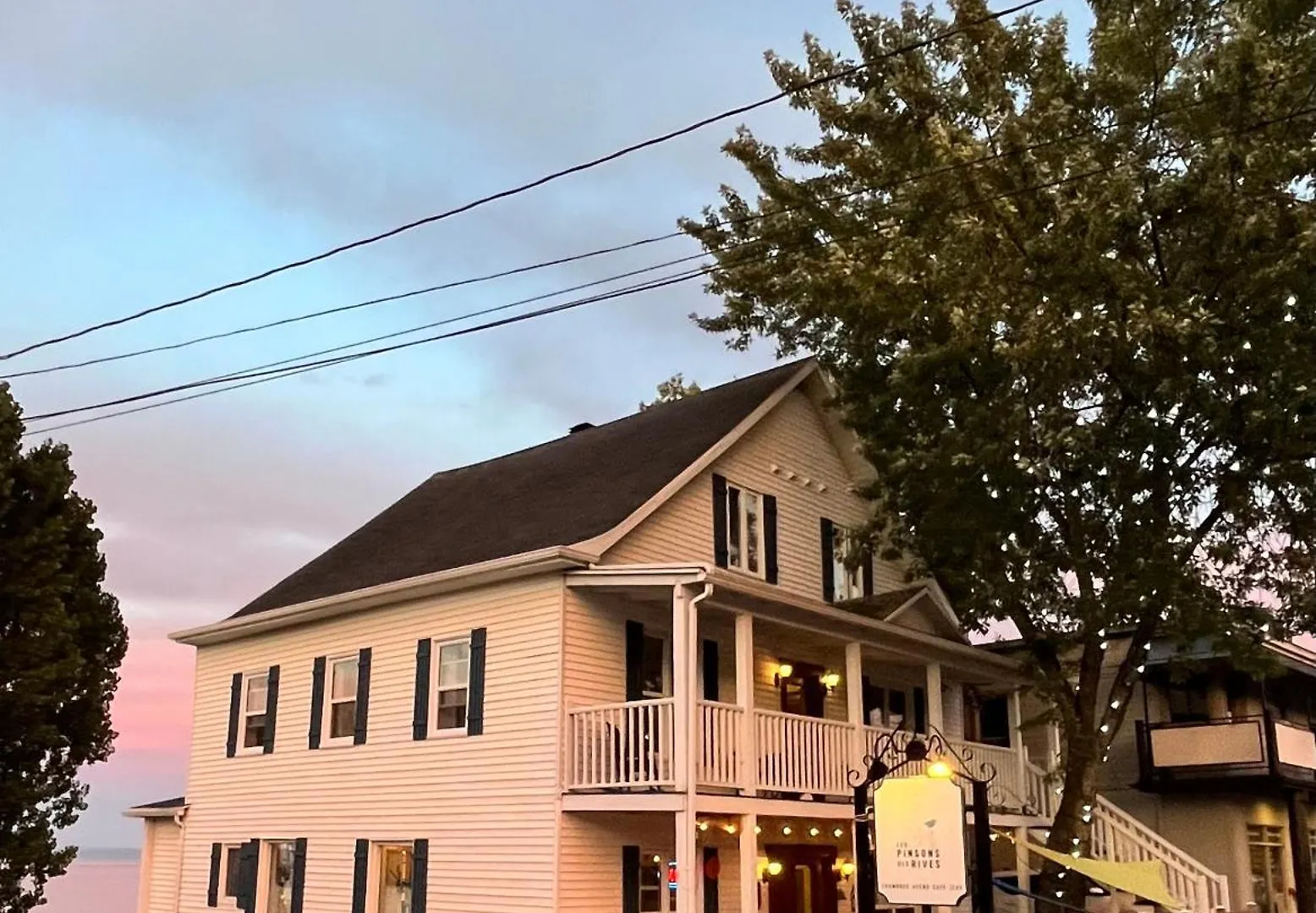
1. Les Pinsons Des Rives
Show on map


 Check-infrom 15:00 until 21:00Check-outuntil 11:00
Just a few rooms left at the best rate!
fromC$ 127
-
2. Trinity Guest House
Show on map


 Check-infrom 15:00 until 20:00Check-outuntil 10:00
Just a few rooms left at the best rate!
fromC$ 194
B&Bs in Ontario, PEI & Saskatchewan
These three properties span Canada's central and western regions, covering an adults-focused mountain retreat in Ontario, a waterfront option on Prince Edward Island, and a prairie-city B&B in Saskatchewan.
- Show on map
Best price guarantee
-
2. Inn At The Pier
Show on map


 Check-infrom 16:00 until 18:00Check-outfrom 09:00 until 11:00
Hurry – almost gone at this price!
fromC$ 482
-
5. Wakamow Heights Bed And Breakfast
Show on map


 Check-infrom 15:00 until 22:00Check-outuntil 11:00
Rooms filling fast – secure the best rate!
fromC$ 120
Smart Travel & Timing Advice for Canadian B&Bs
Timing a Canadian B&B stay requires region-specific thinking rather than a single national strategy. July and August are the peak months across virtually all regions - coastal PEI, Charlevoix, and Newfoundland all see maximum occupancy, and rates at smaller B&Bs can climb significantly while availability drops sharply. Booking around 8 weeks ahead for summer stays is a reliable threshold to secure preferred rooms at properties with only 4 to 6 rooms total. Shoulder seasons - May to early June and September to October - offer a strong trade-off: foliage in Québec's Charlevoix peaks in late September and early October, and the summer crowds have cleared, yet most B&Bs remain open with more flexible pricing. Winter stays are region-specific - Blue Mountain in Ontario and the ski-adjacent Charlevoix properties remain active and often busier than summer, while Trinity, Newfoundland and PEI properties typically close between November and April. For Saskatchewan, Moose Jaw sees no dramatic seasonal tourism spike, making it one of the more predictably available B&B destinations year-round. Last-minute booking is viable only in low season and mid-week - weekend availability at rural Canadian B&Bs disappears well in advance during peak periods.