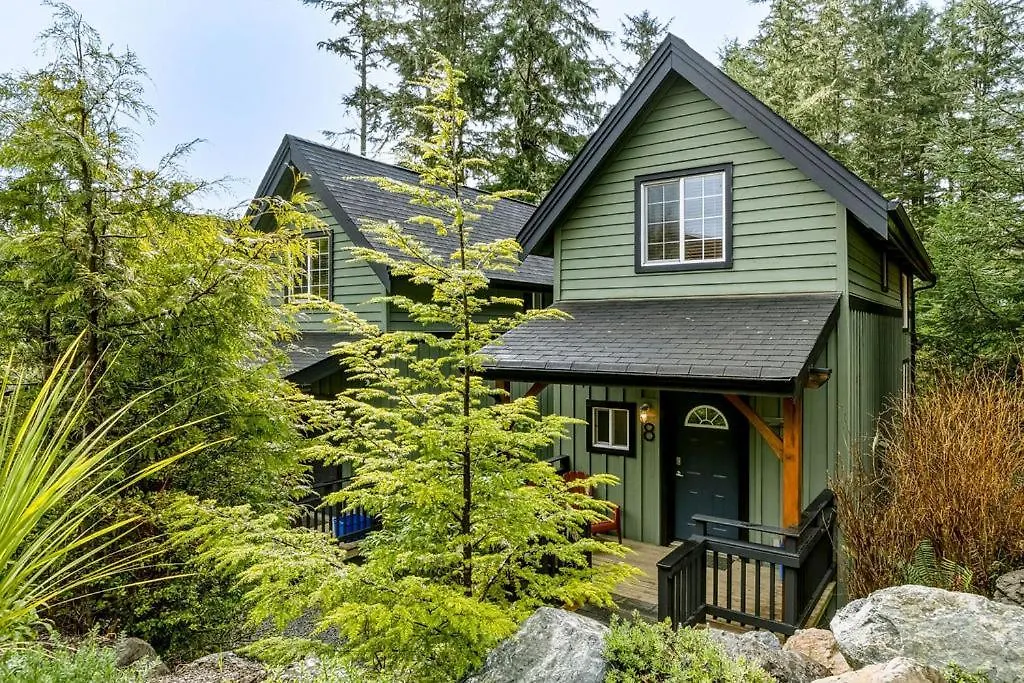
Canada's chalet hotel scene spans over 9,000 km of geography - from the rainforest-draped Pacific coast of British Columbia to the lake-dotted interior of Quebec and the windswept shores of Nova Scotia's Cape Breton Island. Unlike standard hotel rooms, Canadian chalets typically offer fully equipped kitchens, private outdoor spaces, and direct access to wilderness activities, making them a structurally different product from urban hotels. This guide covers 9 carefully selected chalet properties across Canada to help you compare locations, facilities, and value before booking.
What It's Like Staying in Canada
Canada is not a single travel destination - it's a collection of distinct ecosystems and cultural regions that require deliberate planning. Staying in the right province determines whether you wake up to Pacific surf, Rocky Mountain peaks, boreal lakesides, or Atlantic fog. Seasonal crowd patterns shift dramatically between July-August (peak domestic travel) and shoulder months like May-June and September, when prices soften but conditions remain favorable. Chalet-style accommodation sits at the core of how Canadians themselves travel domestically, which means infrastructure - trail access, fishing permits, ski passes - is well-organized around these properties. Around 80% of Canada's landmass is wilderness, which gives chalet stays a genuine isolation that European equivalents rarely deliver.
Urban travelers used to walkable city centers may find chalet locations require a rental car; most wilderness properties are 20-100 km from the nearest town. Those seeking nightlife, dense restaurant options, or public transit should consider urban hotels instead.
Pros:
- Unmatched wilderness access - hiking, fishing, skiing, and paddling are often within walking distance of your cabin door
- Canada's chalet regions (BC Interior, Quebec Laurentians, Nova Scotia coast) are distinct enough that each trip feels entirely different
- Domestic tourism infrastructure is strong - most rural areas have reliable roads, clear trail systems, and organized permit processes
Cons:
- A rental car is non-negotiable for nearly all chalet properties - public transit does not serve wilderness zones
- Wildlife encounters (bears, cougars in BC; moose in Quebec and Nova Scotia) are real and require awareness, not just novelty
- Internet connectivity at remote chalets can be limited despite listed Wi-Fi - streaming and video calls may be unreliable
Why Choose Chalet Hotels in Canada
Canadian chalet hotels occupy a distinct market position between vacation rentals and traditional lodges. They typically offer private entrances, full or partial kitchens, outdoor fire pits or fireplaces, and direct proximity to nature corridors - features that justify a price premium over standard motel rooms in the same area. Nightly rates for Canadian chalets average around CAD $200-$350 depending on province and season, which is higher than basic accommodation but includes space, kitchen facilities, and outdoor infrastructure that eliminates restaurant costs for multiple meals. Quebec and Nova Scotia properties tend to price more accessibly than BC mountain chalets, where demand from ski and surf tourism pushes rates higher. Room sizes are a key differentiator - a chalet unit averaging 60-120 sq meters offers fundamentally more livable space than a standard 28 sq meter hotel room, which matters significantly for stays of 3 nights or more.
The main trade-off is service level: chalet properties operate with minimal staff, often self-check-in systems, and no daily housekeeping. Guests who want concierge services, on-site dining, or hotel amenities should factor this into their decision.
Pros:
- Full kitchen access eliminates restaurant dependency - critical in remote areas where dining options are 20+ km away
- Private outdoor spaces (patios, terraces, BBQ areas) are standard, not an upgrade
- Multi-bedroom layouts make chalets cost-competitive for groups or families compared to booking multiple hotel rooms
Cons:
- No daily housekeeping at most properties - linen changes and cleaning are typically mid-stay or on departure only
- Minimum stay requirements of 2-3 nights are common, limiting flexibility for short trips
- Peak summer and ski season availability tightens significantly - last-minute bookings in July or February often find limited inventory
Practical Booking & Area Strategy
Where you stay in Canada shapes the entire character of a chalet trip. British Columbia is the strongest province for ocean-meets-wilderness experiences - Ucluelet on Vancouver Island puts you within 19 km of Long Beach and the Pacific Rim National Park Reserve, one of the few places in Canada where surfing and old-growth rainforest hiking coexist. For Rocky Mountain access without Banff's tourist density, the Valemount and Tete Jaune Cache corridor in BC's interior delivers mountain views, golf, skiing, and river fishing with noticeably fewer crowds. Quebec's Laurentian and Lanaudière regions (including Notre-Dame de Montauban) offer accessible lake chalets within 110 km of Quebec City, well-suited for summer paddling and winter snowshoeing. Nova Scotia's Cape Breton - specifically Ingonish Beach - combines Cabot Trail hiking with Atlantic coastal scenery, and Prince Edward Island's New Glasgow positions guests within 1.6 km of Cavendish Beach while remaining outside the peak-season chaos of Charlottetown. Ontario's Haliburton Highlands, home to Sir Sam's ski area, operates year-round with winter skiing and summer lake activities. Book BC coastal and mountain properties at least 8 weeks ahead for July and August; Quebec lake chalets and Maritime properties have slightly more availability in shoulder season but fill fast on long weekends.
BC Coast & Rainforest Chalets
British Columbia's chalet properties divide between the Pacific coast - where ocean access and surf culture define the experience - and the mountainous interior, where skiing, hiking, and river corridors are the draw. Both zones require a car and reward guests who book early.
-
1. The Cabins At Terrace Beach
Show on map


 Check-infrom 16:00 until 18:00Check-outuntil 11:00
Just a few rooms left at the best rate!
fromC$ 140
-
2. Cougar Mountain Lodge And Resort Cabin Rentals
Show on map


 Check-infrom 16:00 until 21:00Check-outfrom 04:00 until 09:00
Just a few rooms left at the best rate!
fromC$ 257
-
3. Mica Mountain Lodge & Log Cabins
Show on map


 Check-infrom 15:00 until 23:59Check-outuntil 10:00
Just a few rooms left at the best rate!
fromC$ 270
Quebec, Ontario & Maritime Chalets
Eastern Canada's chalet market spans Quebec's lake districts, Ontario's Haliburton Highlands, Nova Scotia's Cape Breton coast, and Prince Edward Island's north shore - each offering a distinct landscape at generally more accessible price points than BC mountain properties.
-
1. Chalet Lac Georges
Show on map


 Check-infrom 16:00 until 21:00Check-outfrom 08:00 until 11:00
Hurry – almost gone at this price!
-
5. Quisibis Domes
Show on map


 Check-infrom 16:00 until 22:00Check-outfrom 06:00 until 11:00
Hurry – almost gone at this price!
-
3. Dingle Run Lodge At Sir Sam'S
Show on map


 Check-infrom 16:00 until 23:59Check-outuntil 11:00
Hurry – almost gone at this price!
-
4. Knotty Pine Cottages, Suites & Motel Rooms
Show on map


 Check-infrom 15:00 until 19:00Check-outfrom 10:00 until 11:00
Rooms filling fast – secure the best rate!
fromC$ 125
- Show on map
Best price guarantee
-
6. Avonlea Forest Hill Cottages
Show on map


 Check-infrom 16:00 until 23:30Check-outfrom 04:00 until 10:00
Rooms filling fast – secure the best rate!
fromC$ 215
Smart Timing & Booking Strategy for Canadian Chalets
Canada's chalet market operates on two distinct peak windows: July to mid-August for lake, coast, and trail properties, and December to March for ski-adjacent lodges like Dingle Run Lodge in Haliburton or Mica Mountain Lodge in Tete Jaune Cache. During these windows, inventory at well-reviewed chalet properties drops sharply - booking around 8 weeks in advance is the practical minimum for BC coastal and Ontario ski chalets in peak season. Quebec lake chalets (such as Chalet Lac Georges) and Maritime properties (Knotty Pine Cottages, Avonlea Forest Hill) see strong demand on Canadian long weekends in May, July, and September, which often catch international travelers off-guard. Shoulder season - late May and September - offers the strongest value: weather is stable across most provinces, trails are open, fishing seasons are active, and prices are noticeably lower than July rates. Nova Scotia and PEI properties remain accessible into early October, with fall foliage along Cape Breton's Cabot Trail peaking in late September - a window that draws far fewer visitors than summer but delivers arguably better scenery. For New Brunswick and Quebec dome or lake chalets, winter stays are viable but require confirmed road access and awareness that some rural properties reduce services outside summer season. A minimum stay of 3 nights extracts the most value from any chalet property - the kitchen, outdoor fireplace, and activity access only justify the higher nightly rate over multiple days.