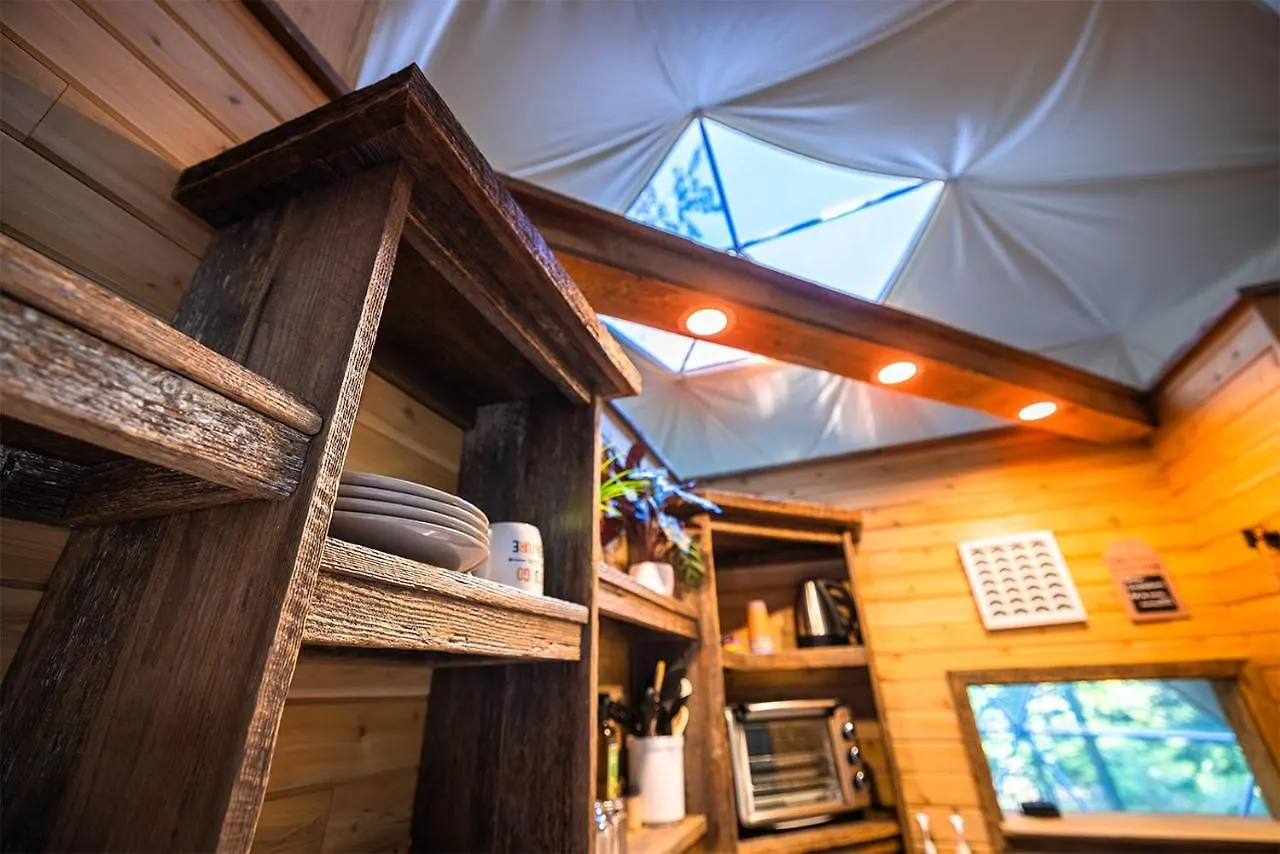
Acadia - spanning New Brunswick, Nova Scotia, and Prince Edward Island - is one of eastern Canada's most underrated regions for a self-contained chalet stay. From the tidal rivers of the Miramichi to the ocean-facing cliffs of Cape Breton and the pastoral countryside of PEI, chalet-style accommodation here means space, independence, and direct access to landscapes that most travellers only drive through. This guide covers 5 chalet hotels across Acadia to help you choose the right base for your itinerary.
What It's Like Staying in Acadia
Acadia is a loosely defined cultural and geographic region where French-Canadian heritage, maritime wilderness, and rural quietness define the travel experience. Unlike urban Canadian destinations, getting around requires a car - public transit is virtually non-existent between villages and natural sites. Crowd patterns are strongly seasonal, with July and August drawing the bulk of visitors to Cape Breton's Cabot Trail, PEI's beaches, and the Bay of Fundy coastline, while September brings foliage-chasing travellers and around 30% fewer crowds than peak summer weeks.
Pros:
- Exceptional access to coastal and forested landscapes with minimal urban noise
- Chalet stays allow full self-catering, cutting food costs significantly during multi-day trips
- Low light pollution across most of Acadia makes for outstanding stargazing and natural immersion
Cons:
- A rental car is non-negotiable - distances between attractions and chalets can be significant
- Many properties close between November and May, limiting off-season flexibility
- Grocery stores and restaurants near rural chalets can be sparse, requiring advance planning
Why Choose Chalet Hotels in Acadia
Chalet-style hotels in Acadia differ fundamentally from standard motel or inn accommodation by offering full kitchens, private outdoor spaces, and typically larger footprints - key advantages when stays extend beyond two nights. Most chalets in this region come with private parking, BBQ facilities, and direct garden or water views, which is rarely the case with budget motel rooms along the Trans-Canada corridor. Pricing for a well-equipped chalet unit in Acadia generally sits above basic roadside motels but often competes with mid-range hotels once you factor in saved meal costs over a week-long stay. The trade-off is distance from commercial centres - chalets are typically located at least 25 km from a major town, meaning spontaneous dining out requires planning.
Pros:
- Full kitchens eliminate restaurant dependency, especially valuable in remote coastal or forest locations
- Private terraces and BBQ setups enable outdoor living that hotel rooms cannot replicate
- Family and group travellers benefit from multi-room layouts and shared living areas
Cons:
- Fewer on-site services compared to hotels - no daily housekeeping or concierge in most properties
- Wi-Fi and mobile signal quality can be inconsistent in rural Acadian zones
- Minimum stay requirements during peak season reduce flexibility for short one-night stops
Practical Booking & Area Strategy for Acadia
Choosing where to base yourself in Acadia depends heavily on which part of the region you prioritise. For Cape Breton Island, Ingonish Beach is the closest gateway village to the northern sections of the Cabot Trail, one of Canada's most celebrated coastal drives. Prince Edward Island chalets near Cavendish position you within reach of PEI National Park, the Anne of Green Gables sites, and some of the warmest ocean swimming in Atlantic Canada. In New Brunswick's Rivière-Verte area, you're deep in Acadian French heritage territory along the Saint John River Valley, a quieter alternative to the more tourist-dense coastlines. Book at least 6 weeks ahead for July and August stays, particularly in Ingonish and Cavendish, where quality chalet inventory sells out fast. Shoulder season - late May or September - offers better availability and noticeably lower nightly rates without sacrificing scenery.
Best Value Chalet Stays in Acadia
These chalets deliver strong self-catering independence and direct access to Acadia's key natural corridors at competitive price points, making them the practical choice for families and longer stays.
-
1. Quisibis Domes
Show on map


 Check-infrom 16:00 until 22:00Check-outfrom 06:00 until 11:00
Just a few rooms left at the best rate!
- Show on map
Best price guarantee
-
3. Mayfield Country Cottages
Show on map


 Check-infrom 16:00 until 20:00Check-outuntil 10:00
Just a few rooms left at the best rate!
fromC$ 300
Best Premium Chalet Options in Acadia
These two chalets stand out for their setting specificity and elevated amenity detail - particularly suited to travellers prioritising views, coastal access, or a more polished self-catering experience in Acadia.
-
4. Knotty Pine Cottages, Suites & Motel Rooms
Show on map


 Check-infrom 15:00 until 19:00Check-outfrom 10:00 until 11:00
Hurry – almost gone at this price!
fromC$ 125
-
5. Avonlea Forest Hill Cottages
Show on map


 Check-infrom 16:00 until 23:30Check-outfrom 04:00 until 10:00
Rooms filling fast – secure the best rate!
fromC$ 215
Smart Travel & Timing Advice for Acadia Chalets
July and August are peak season across all three provinces of Acadia - chalet rates in Ingonish and Cavendish reach their annual highs, and availability in quality properties drops sharply within weeks of summer. Booking 6 weeks out for peak-season dates is the realistic minimum, though popular properties like Knotty Pine Cottages on the Cabot Trail corridor often fill months earlier. September is the single best month for value-focused travellers: the ocean is still warm enough for swimming in PEI, the Cabot Trail foliage begins turning, and nightly rates drop noticeably while services remain fully open. For New Brunswick chalets like Quisibis Domes, the quieter spring window from late May offers river conditions suited to paddling and cycling with almost no competition for accommodation. A minimum stay of 3 nights is the practical threshold to justify the self-catering setup and the driving distances involved in reaching Acadia's key attractions - anything shorter rarely allows enough time to engage meaningfully with the landscape.