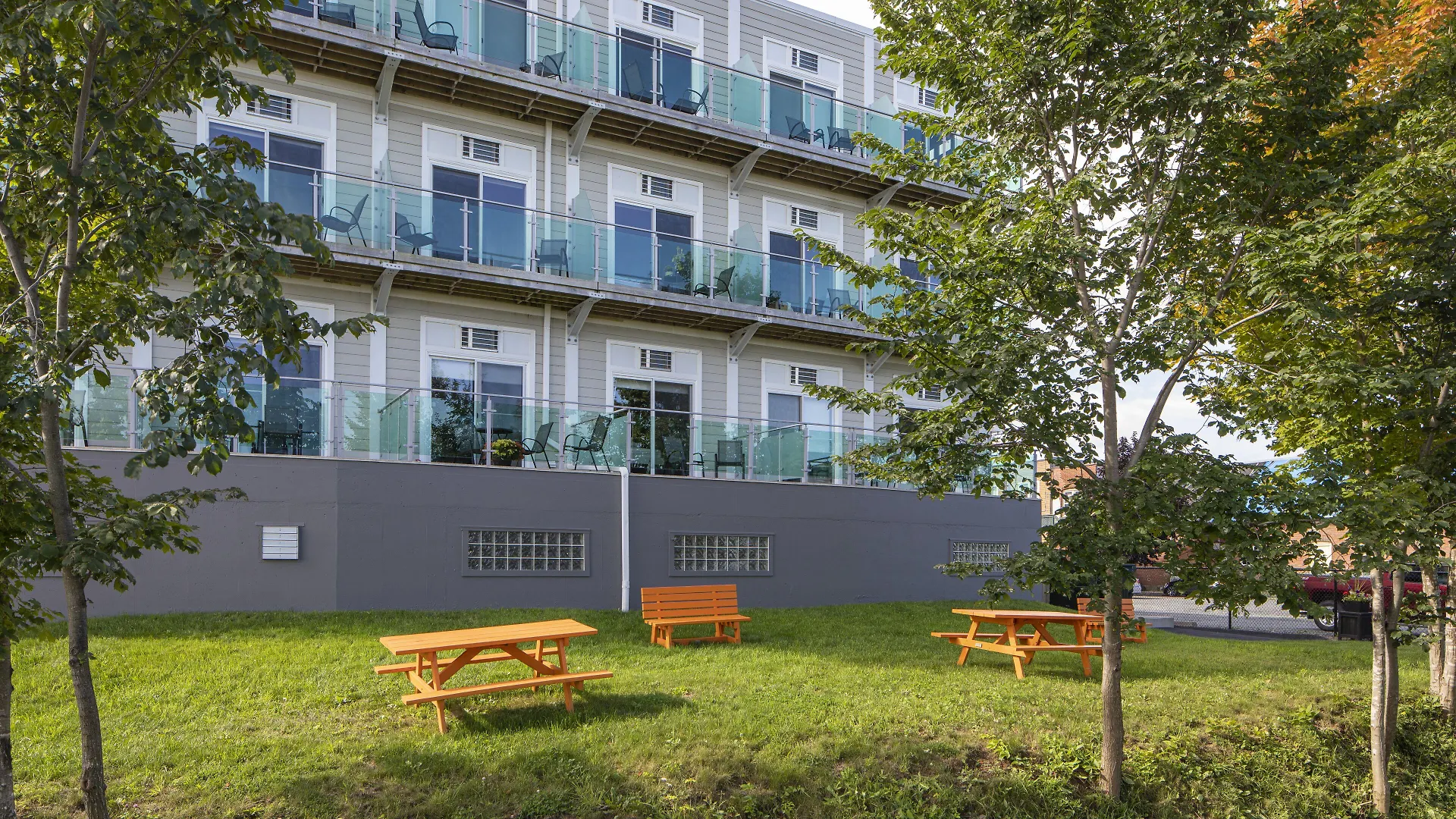
Acadia - spanning Nova Scotia, New Brunswick, and parts of Prince Edward Island - is one of Eastern Canada's most distinctive travel regions, shaped by French-Acadian heritage, dramatic Bay of Fundy tides, and a coastline that rewards slow travel. Boutique hotels here are not concentrated in a single city but spread across small towns like Wolfville, Digby, and Saint John, each offering a different entry point into the region. This guide covers six standout properties that reflect the character of Acadia rather than the formula of a chain.
What It's Like Staying in Acadia
Acadia is not a compact urban destination - it is a coastal and inland region where distances between towns regularly exceed 60 km, making your choice of base more consequential than in most Canadian destinations. The region draws visitors for the Bay of Fundy tidal bore, Kejimkujik National Park, and Acadian cultural sites, but outside of peak summer months (July-August), most areas are quiet and some facilities operate on reduced hours. Car travel is essentially mandatory in Acadia - public transit between towns is minimal, and attractions are rarely walkable from accommodation.
Pros:
- Dramatic, uncrowded landscapes including the world's highest tides on the Bay of Fundy
- Strong Acadian culinary identity - fresh scallops, lobster, and regional produce are widely available
- Low tourist density outside summer means genuine off-season value and authentic local interaction
Cons:
- A rental car is non-negotiable - no reliable intercity bus or rail connects boutique accommodation hubs
- Many restaurants and attractions operate seasonally, closing between October and May
- Limited nightlife or urban amenities in most towns; travelers expecting city-style convenience will be disappointed
Why Choose Boutique Hotels in Acadia
Boutique hotels in Acadia tend to occupy converted heritage properties, inn-style buildings, or resort estates that chain hotels simply cannot replicate in this region. Unlike Halifax or Moncton where branded hotels dominate, many Acadian towns have no large chain presence at all - boutique and independent stays are often the only quality option. Rates at boutique properties here are often more competitive than in major Canadian cities, and the room-to-amenity ratio tends to favour guests willing to pay a modest premium over budget motels. The trade-off is that boutique properties in Acadia are small - typically under 50 rooms - which means availability during the July-August peak fills around 3 weeks in advance.
Pros:
- Unique architectural character - many properties sit on waterfront or heritage estates unavailable to chain brands
- On-site dining at boutique inns frequently showcases local Acadian ingredients not found in generic hotel restaurants
- Smaller guest counts create a quieter, more personal stay suited to couples and slow travellers
Cons:
- Rooms sell out fast in peak season - last-minute bookings in July often yield limited room categories
- Fewer on-site facilities compared to large resorts; some properties lack fitness centres or on-site parking
- Self-catering options are limited in most boutique properties unless specifically advertised
Practical Booking & Area Strategy
Acadia's geography means your choice of town determines what you can access without a long drive. Wolfville and the Annapolis Valley offer the closest base for Minas Basin tidal viewing and wine country exploration, while Digby is the gateway to whale watching on the Bay of Fundy and the Digby-Saint John ferry. Saint John in New Brunswick anchors the western edge of Acadia and provides urban amenities including Stonehammer UNESCO Global Geopark. Edmundston, near the US border, suits travellers crossing between New Brunswick and Maine. For the most iconic Acadian experiences - scallop dining, tidal bore watching, and coastal hiking - positioning yourself in Digby or Wolfville gives the best access to signature activities without daily long-distance drives. Book at least 4 weeks ahead for any July stay, and consider shoulder season (May-June or September) for lower rates and thinner crowds at popular sites like Kejimkujik National Park.
Best Value Boutique Stays
These properties offer strong boutique character and practical amenities at accessible price points across different Acadian towns, making them well-suited to travellers who want a distinctive stay without committing to resort pricing.
-
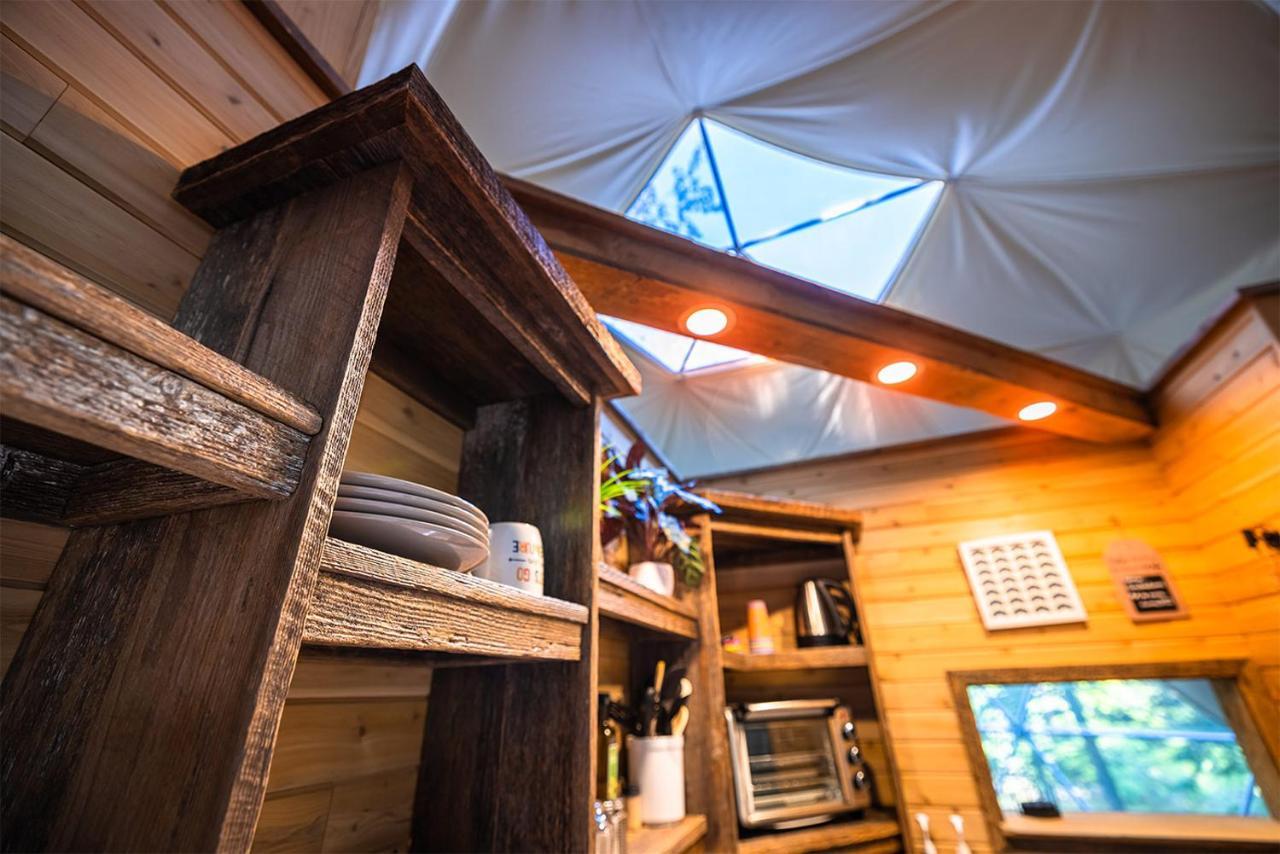
1. Micro Boutique Living Wolfville
Show on map


 Check-infrom 16:00 until 23:59Check-outuntil 11:00
Just a few rooms left at the best rate!
fromC$ 144
-
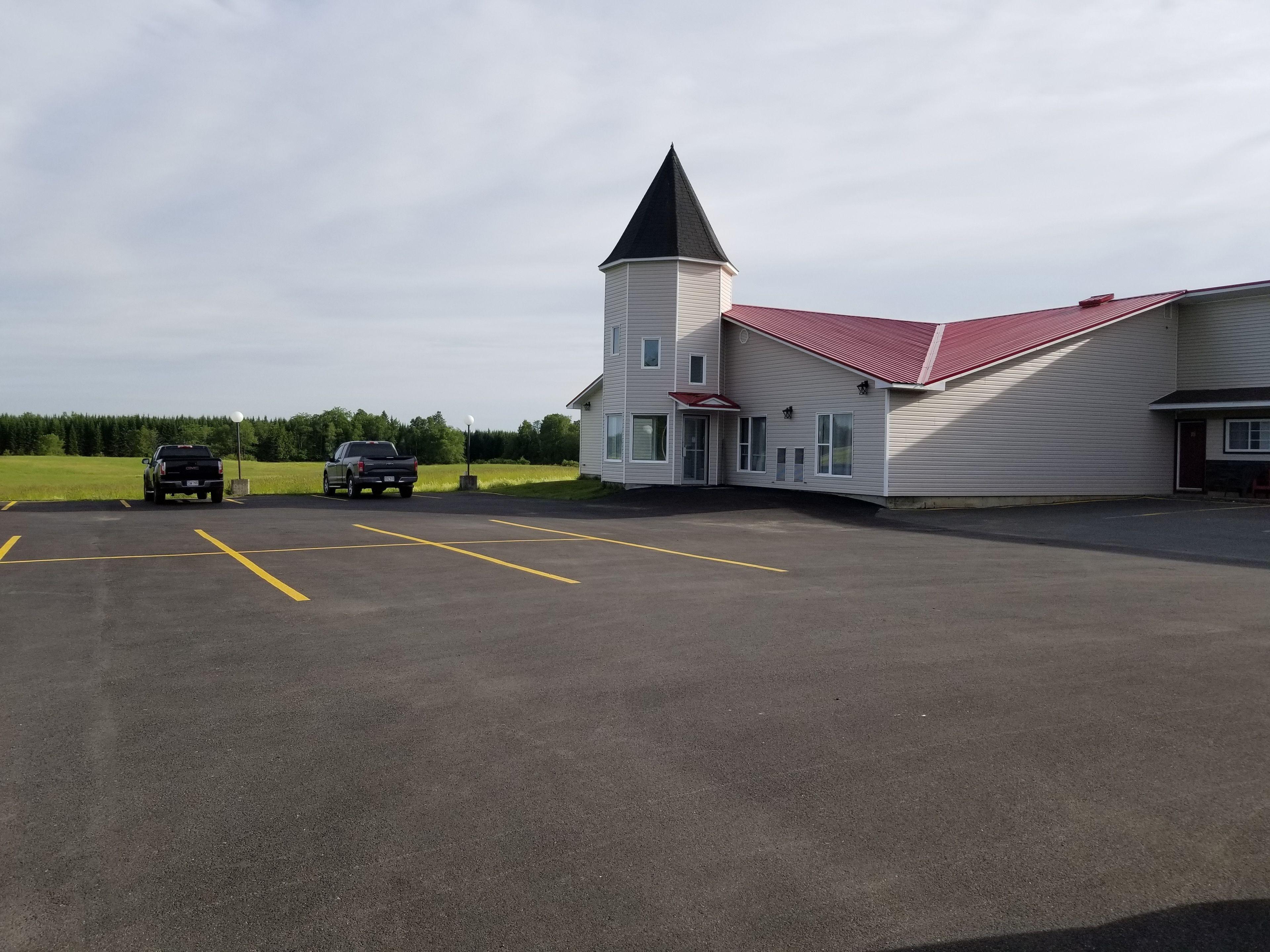
2. Best Western Plus Edmundston
Show on map


 Check-infrom 15:00 until 23:59Check-outuntil 11:00
Just a few rooms left at the best rate!
fromC$ 141
-
3. Hampton Inn Sydney
Show on map


 Check-infrom 16:00 until 23:59Check-outuntil 12:00
Hurry – almost gone at this price!
fromC$ 162
Best Premium Boutique Stays
These three properties offer resort-level amenities, distinctive architecture, or rare waterfront positioning that justify higher nightly rates for travellers prioritising experience over economy in Acadia.
-
4. Digby Pines Golf Resort And Spa
Show on map


 Check-infrom 16:00 until 23:59Check-outuntil 11:00
Hurry – almost gone at this price!
fromC$ 151
-
5. Chateau Saint John Trademark Collection By Wyndham
Show on map


 Check-infrom 15:00 until 23:59Check-outfrom 01:00 until 11:00
Rooms filling fast – secure the best rate!
fromC$ 176
-
6. Amherst Shore Country Inn
Show on map


 Check-infrom 15:00 until 22:00Check-outfrom 07:00 until 11:00
Rooms filling fast – secure the best rate!
fromC$ 268
Smart Travel & Timing Advice for Acadia
The Acadian travel calendar divides sharply around summer. July and August see the highest demand across all accommodation categories - boutique properties with fewer than 30 rooms in towns like Digby and Wolfville can fill entirely, and prices rise by around 35% compared to June rates. June and September are the strongest value months: whale watching on the Bay of Fundy peaks in July-August but remains active through September, and coastal hiking trails are less crowded after Labour Day. Winter travel (November-March) is possible but reduces your options significantly - many boutique inns close entirely or operate skeleton schedules. A minimum stay of 3 nights is worth planning if your base is Digby or Wolfville, since the density of day-trip options (Kejimkujik, tidal bore sites, Cape Split hiking) rewards time rather than speed. Book premium properties at least 6 weeks ahead for any July travel; for shoulder season, 2-3 weeks' notice is generally sufficient. Last-minute travellers in August risk limited room categories, not just higher prices.